What Are You Looking For?
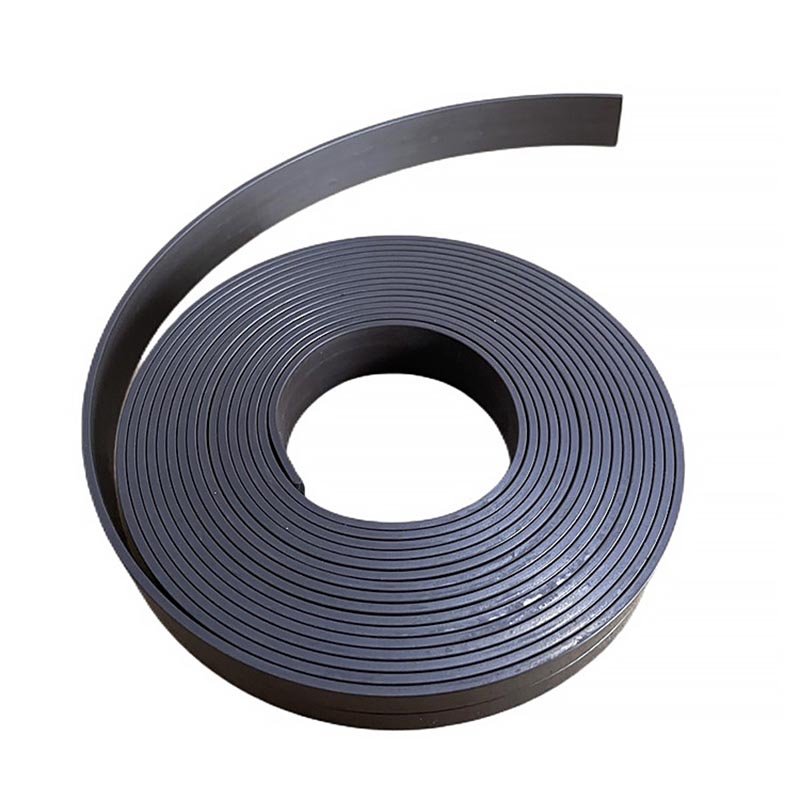
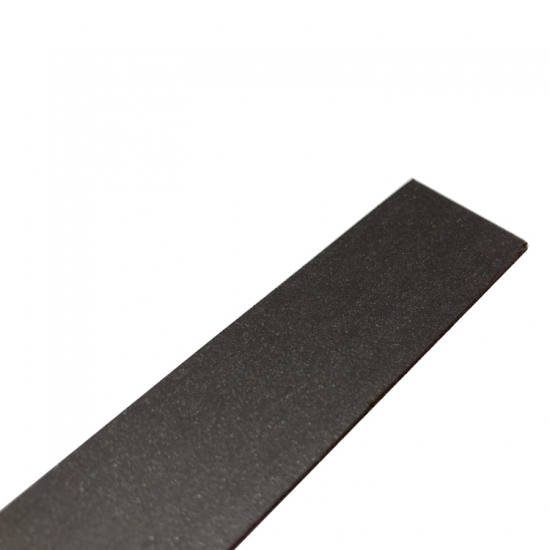
Factory Supply Anisotropic Calendered Strip-Type Ferrite Rubber Magnets, High Stability, for Motors
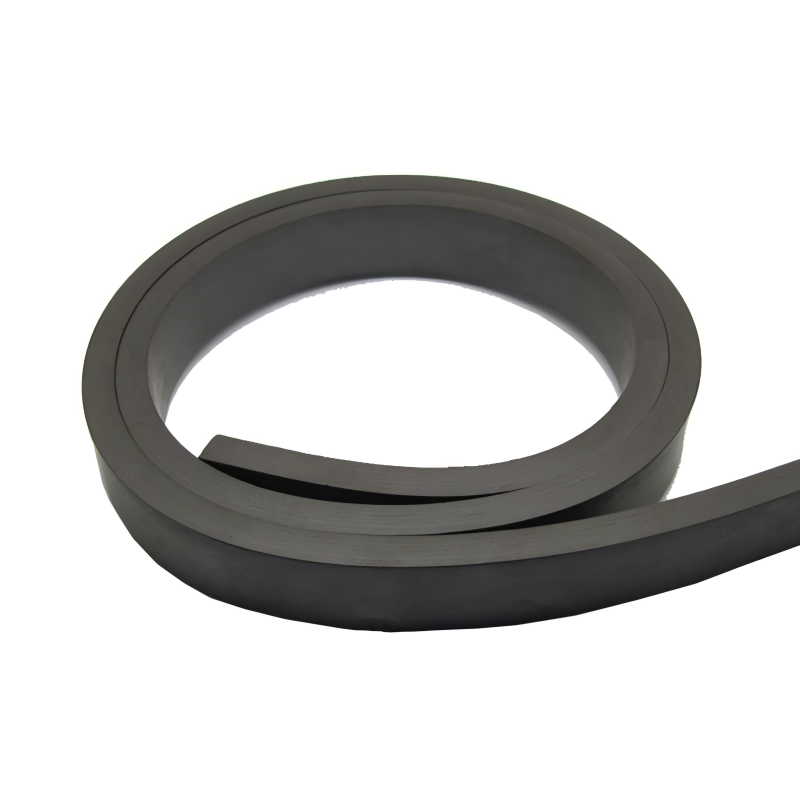
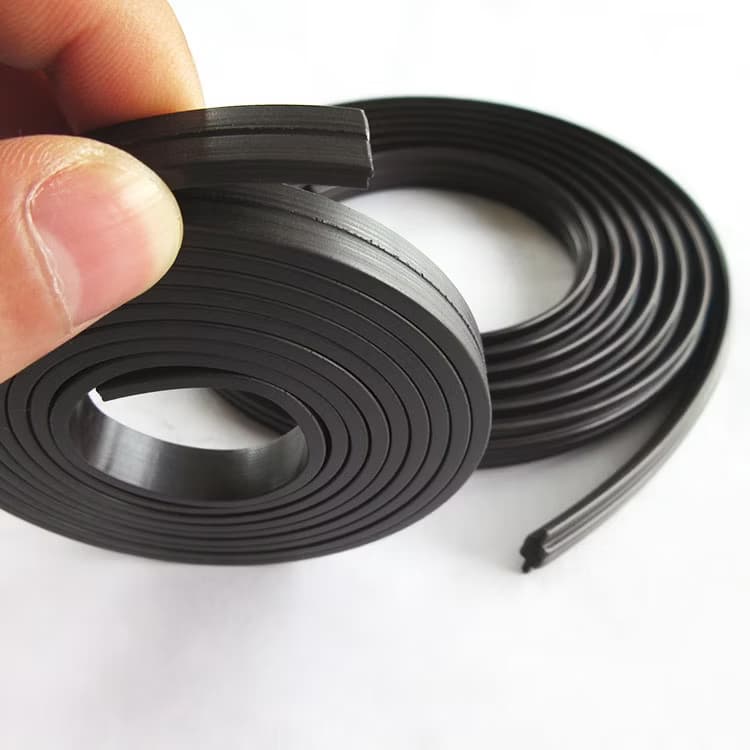
Flexible ferrite rubber magnet strip – low‑cost anisotropic material for motor rotors, widely used in micro motors, fans, and automotive drives.
Packaging :
Bulk packing, cartonsPayment :
100% T/T in advancceProduct Origin :
ChinaDelivery Time :
15-30 days, depends on the quantityBrand :
KINGSMAGNETBulk Order MOQ :
100 ROLLSSample Order :
Please inquire1. Product Overview
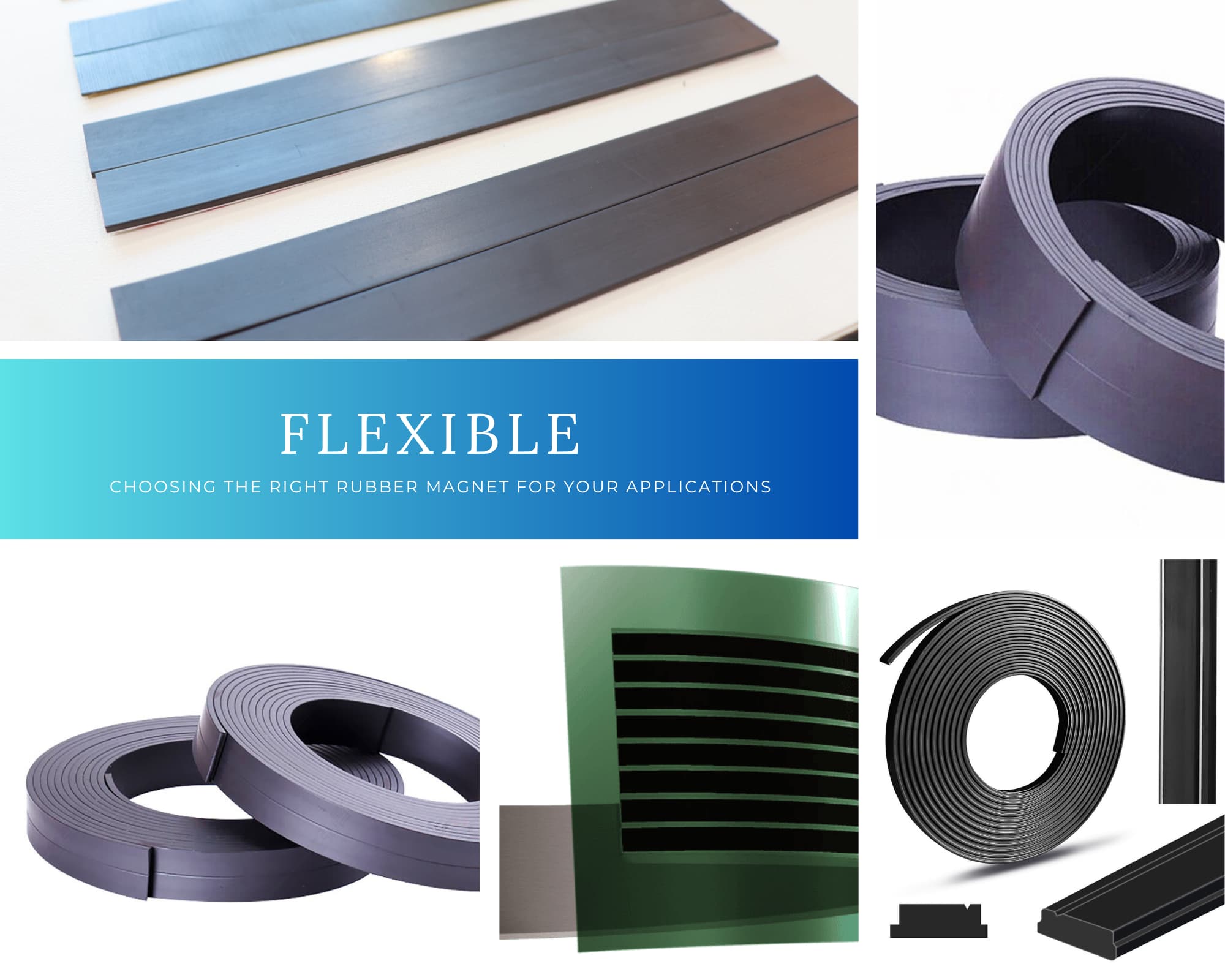
Ferrite rubber magnet is a flexible magnetic material made by compounding bonded ferrite magnetic powder with synthetic rubber or plastic through extrusion, calendering, or injection moulding processes. It combines flexibility, elasticity, and twistability, supporting secondary processing such as cutting, punching, and PVC lamination.
In the motor industry, ferrite rubber magnets are mainly used in micro motors, cooling fan motors, DC motor rotors, and stepper motors. Rubber magnets account for over 40% of the global micro motor market, making them one of the core materials for motor magnetic components.
Core value: Achieve the required magnetic performance at extremely low material cost, while offering unique advantages such as flexible installation, fracture resistance, and silent operation.
2. Key Features and Motor Application Advantages
| Feature | Value for Motor Applications |
|---|---|
| Flexible and bendable | Can be rolled into rings and fitted to curved rotor surfaces without complex processing |
| Fracture resistance | No brittle breakage risk, suitable for high-speed rotation and vibration environments |
| Lightweight | Density of only 3.5–3.7 g/cm³, helping to reduce rotor inertia |
| Electrical insulation | Rubber matrix provides good electrical insulation, suitable for applications requiring electromagnetic shielding |
| Corrosion resistance | Ferrite itself does not rust, eliminating the need for additional coating |
| Extremely low cost | Abundant raw materials, making it the first choice for high-volume motor applications |
| Operating temperature | Standard -40°C to +80°C (some grades up to +100°C) |
| Easy installation | Can be assembled into rings and directly fitted onto the rotor outer surface, significantly improving installation efficiency |
3. Technical Specifications (Motor Application Grade)
3.1 Basic Physical Parameters
| Material composition | Ferrite powder + rubber matrix (CPE/NBR/PVC) |
| Density | 3.5 – 3.7 g/cm³ |
| Hardness | 65 – 85 Shore A |
| Operating temperature | -40°C ~ +80°C (some +100°C) |
| Thickness range | 0.5 – 10 mm |
| Width range | 5 – 300 mm (customisable) |
| Magnetic powder particle size | 0.5 – 3 μm |
| Parameter | Typical Value |
|---|
| Grade | Type | Br | Hcb | Hcj | (BH)max |
|---|---|---|---|---|---|
| Isotropic Grade | Isotropic | 175–195 mT (1750–1950 Gs) | 125–140 kA/m | 150–175 kA/m | 4.5–4.6 kJ/m³ (0.56–0.58 MGOe) |
| Anisotropic Grade (Standard) | Anisotropic | 225–255 mT (2250–2550 Gs) | 159–183 kA/m | 179–203 kA/m | 10.4–12.0 kJ/m³ (1.3–1.5 MGOe) |
| Anisotropic Grade (High Performance) | Anisotropic | 240–270 mT (2400–2700 Gs) | 167–199 kA/m | ≥255 kA/m | 11.2–13.6 kJ/m³ (1.4–1.7 MGOe) |
| Anisotropic Grade (NBR Matrix) | Anisotropic | 230–260 mT | 163–195 kA/m | 237–283 kA/m | 11.2–12.8 kJ/m³ (1.4–1.6 MGOe) |
| Matrix Material | Suitable Applications | Advantages | Limitations |
|---|---|---|---|
| CPE (Chlorinated Polyethylene) | General motors, home appliance motors | Low cost, good processability | Not oil-resistant |
| NBR (Nitrile Butadiene Rubber) | Automotive motors, oily environments | Oil-resistant (mineral oils), good heat resistance | Slightly higher cost |
| PVC | Low-cost consumer motors | Extremely low price | Poor flexibility |
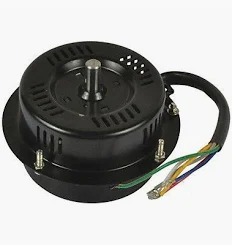
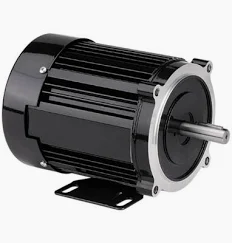
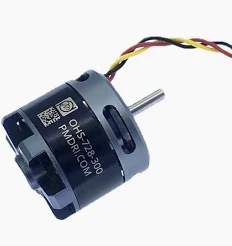
Choosing the right ferrite rubber magnet for motor applications requires consideration of five key dimensions:
| Factor | Consideration |
|---|---|
| ① Magnetization Type | Isotropic vs. Anisotropic – motors must use anisotropic |
| ② Magnetic Performance Grade | Select (BH)max grade based on torque/power requirements |
| ③ Thickness | Affects magnetic flux, air gap fit, and rotor structural space |
| ④ Matrix Material | CPE (general), NBR (oil-resistant), PVC (low cost) |
| ⑤ Dimensions & Shape | Length, width, curvature – must match rotor dimensions |
| Motor Type | Recommended Type | Recommended (BH)max | Recommended Thickness | Notes |
|---|---|---|---|---|
| Toy motors | Anisotropic | 1.0–1.3 MGOe | 1.0–1.5 mm | Cost priority, low torque |
| CPU cooling fan | Anisotropic | 1.3–1.5 MGOe | 2.0–3.5 mm | Common spec: 202.8×22×3.5mm |
| Ceiling fan | Anisotropic | 1.4–1.6 MGOe | 5.0–6.0 mm | Requires high energy product |
| Printer stepper | Anisotropic | 1.3–1.5 MGOe | 1.5–2.5 mm | High precision required |
| Automotive micro motor | Anisotropic | 1.4–1.6 MGOe | 1.5–3.0 mm | Oily environment = NBR mandatory |
| Home appliance motor | Anisotropic | 1.3–1.5 MGOe | 2.0–4.0 mm | General purpose |
5.3 Thickness Selection Guide
| Motor Power Level | Recommended Thickness | Applications |
|---|---|---|
| Micro power (<1W) | 0.5 – 1.0 mm | Toy motors, micro vibration motors |
| Small power (1–10W) | 1.0 – 2.0 mm | Cooling fans, small appliance motors |
| Medium power (10–50W) | 2.0 – 4.0 mm | Ceiling fan motors, printer motors |
| High power (>50W) | 4.0 – 6.0 mm | Industrial motors, automotive motors |
Relationship between thickness and magnetic force: With the same material, increasing thickness leads to increased magnetic flux and higher motor torque. However, increased thickness also increases rotor inertia and material cost – performance must be balanced against cost.
6. Motor Strip Installation Key Points
Ring assembly: Ferrite magnetic strips are typically shipped as straight strips and assembled into rings by the customer during installation. The strip length must precisely equal the rotor outer circumference.
Magnetization timing: Some motor strips are shipped in an unmagnetized state, fitted into the iron housing or rotor, and then magnetized – this ensures magnetization saturation and pole symmetry.
Bonding methods:
7. Frequently Asked Questions
Q1: Why can't isotropic rubber magnets be used in motors?
A: Isotropic rubber magnets have a surface flux density of only 100–400 Gs and energy product of only 0.5–0.7 MGOe – insufficient to generate rotor torque. Anisotropic rubber magnets have about 20% higher magnetic force and energy product of 1.3–1.6 MGOe, making them the only choice for motor applications.
Q2: What is the maximum operating temperature of ferrite rubber magnets?
A: Standard is 80°C. Some high-performance grades can reach 100°C. Exceeding the temperature limit causes irreversible demagnetization.
Q3: Do ferrite rubber magnets rust?
A: No. Ferrite powder is a ceramic material – it does not rust, so no additional coating is required.
Q4: How do I calculate the required strip length for a motor?
A: Strip length = rotor outer diameter × π. Example: rotor outer diameter 64.5mm → strip length ≈ 202.8mm.
Q5: How do I choose between CPE and NBR matrix?
A: Dry, clean environments (home appliances, fans) → CPE, lower cost. Oily environments (automotive motors) → NBR is mandatory.
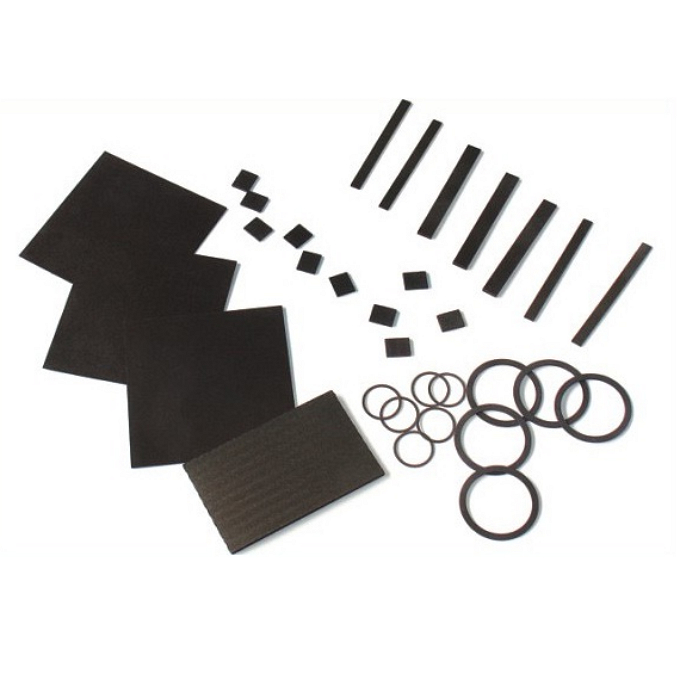
Neodymium flexible magnet – a high‑energy bonded NdFeB strip with rubber flexibility, delivering 1.5–8.5 MGOe for high‑torque motors, EVs, and servos.
Read More
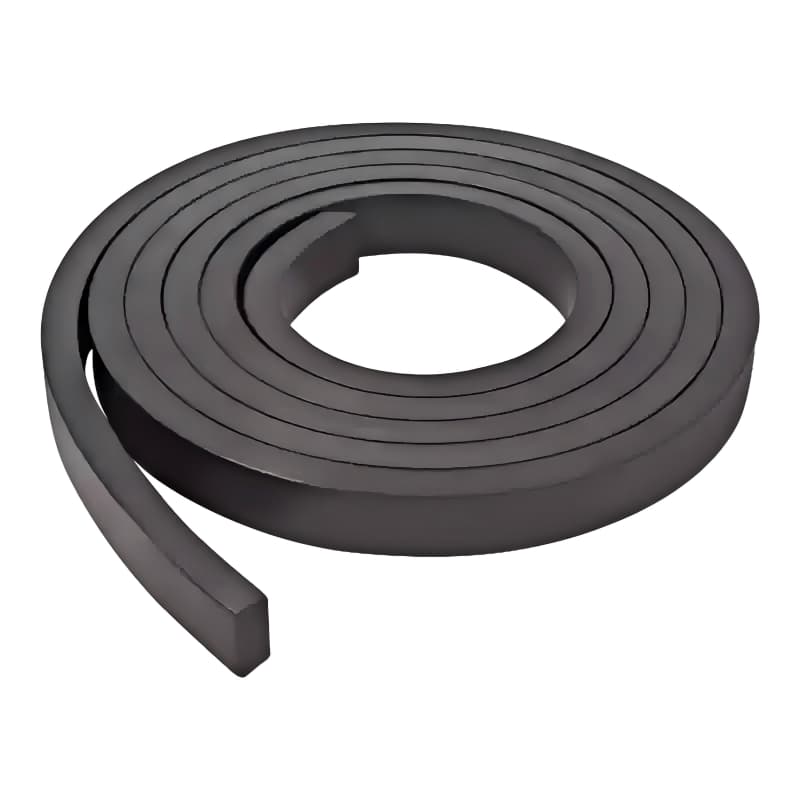
Flexible ferrite rubber magnet strip – low‑cost anisotropic material for motor rotors, widely used in micro motors, fans, and automotive drives.
Read More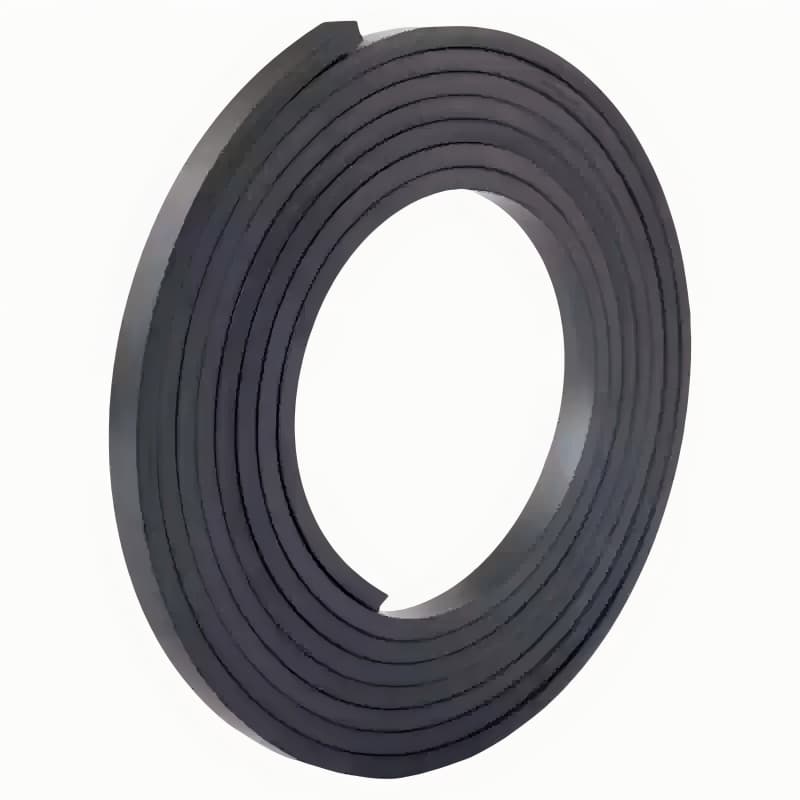
Neodymium flexible magnet combines high remanence, high coercivity, and flexibility, supporting 2–200+ pole multi‑pole magnetization in strips, rings, or custom shapes to fit various sensor designs. As a multi‑pole magnetic source, it delivers stable signals for encoders, speed sensors, and position sensors – particularly effective in compact spaces, making it a reliable choice for precision sensing.
Read More
Eco‑friendly strontium ferrite rubber magnet – heavy metal free, RoHS compliant – delivers stable signals for encoders, speed sensors, and position sensors with excellent cost‑performance and environmental tolerance.
Read More


 IPv6 network supported