What Are You Looking For?
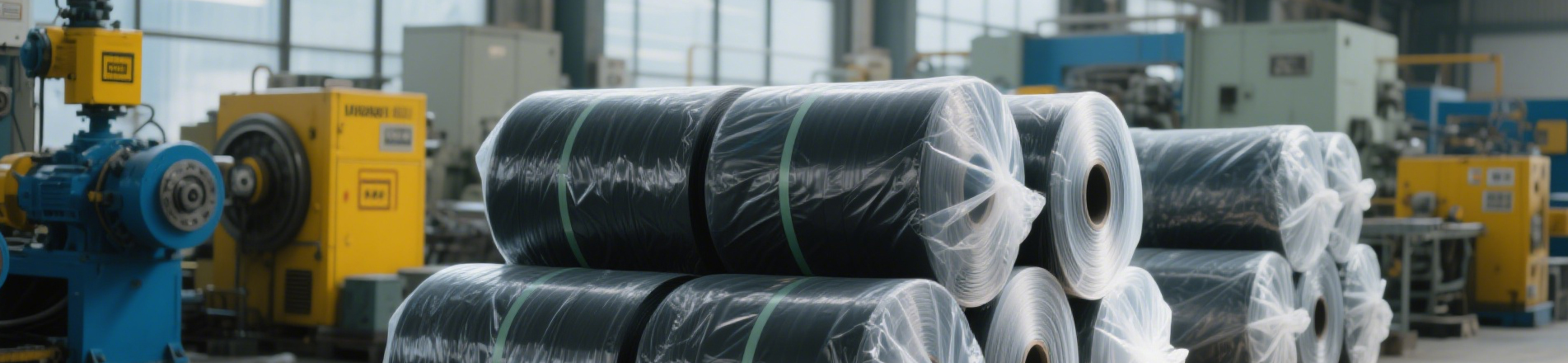
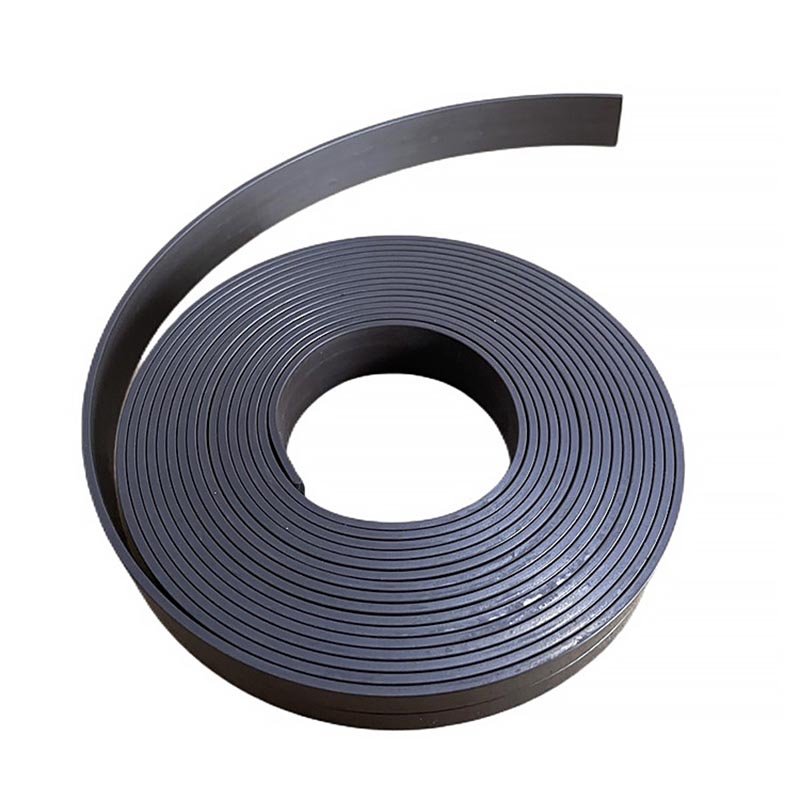
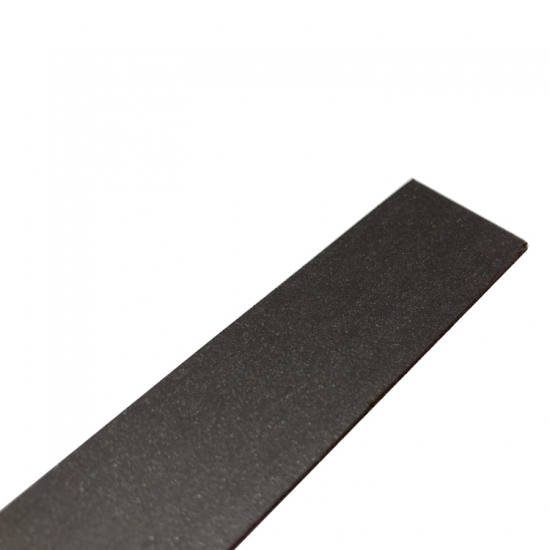
Wholesale R4 Grade Neodymium Flexible Magnet Strips, High Energy Multi-Pole Magnetized for Motors
Neodymium flexible magnet – a high‑energy bonded NdFeB strip with rubber flexibility, delivering 1.5–8.5 MGOe for high‑torque motors, EVs, and servos.
Packaging :
Bulk packing, cartonsPayment :
100% T/T in advancceProduct Origin :
ChinaDelivery Time :
15-30 days, depends on the quantityBrand :
KINGSMAGNETBulk Order MOQ :
100 ROLLSSample Order :
Please inquire1. Product Overview
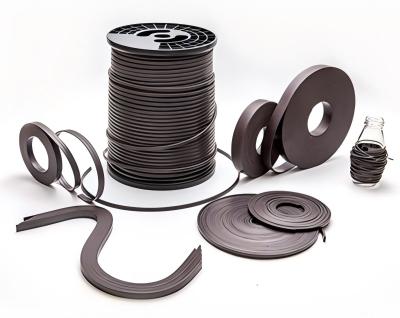
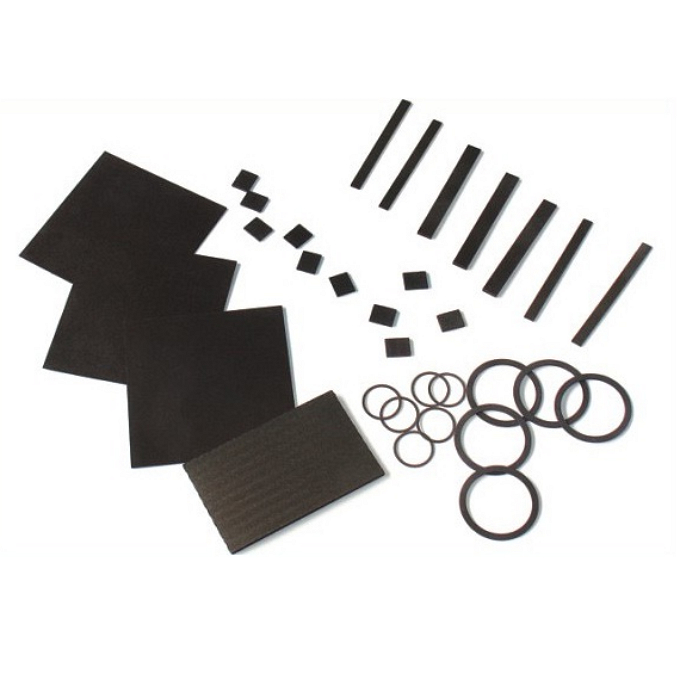
Neodymium flexible magnet (Bonded NdFeB Flexible Magnet) is a flexible magnetic material made by compounding high‑energy rare‑earth neodymium‑iron‑boron (NdFeB) powder with a flexible rubber matrix (such as NBR, CPE, etc.) through mixing, calendering, or extrusion processes. It combines the ultra‑high magnetic performance of NdFeB with the flexibility and processability of rubber, and can be manufactured into various thin dimensions and complex shapes.
Compared with traditional ferrite flexible magnets, neodymium flexible magnets offer 5–10 times higher energy product, delivering much stronger magnetic output in the same volume. At the same time, the rubber encapsulation effectively protects the magnet surface from scratches and reduces vibration noise, making it an ideal magnetic source for high‑performance motors, precision sensors, and other applications.
Core value: Provides magnetic performance close to sintered neodymium magnets in a flexible form, delivering high‑torque, high‑precision magnetic drive within limited space, while offering unique advantages such as fracture resistance, low noise, and easy installation.
2. Key Features and Motor Application Advantages
| Feature | Value for Motor Applications |
|---|---|
| Ultra‑high magnetic performance | Max. energy product up to 7.5–8.5 MGOe (R8 grade) – 5–10 times that of ferrite flexible magnets |
| Flexible and bendable | Can be rolled into rings and fitted to curved rotor surfaces – flexible installation, no complex processing |
| Rubber layer reduces vibration and noise | Rubber encapsulation effectively absorbs vibration and reduces operating noise – ideal for noise‑sensitive applications |
| High wear resistance | Rubber coating protects magnet surface from scratches, extending service life |
| Good corrosion resistance | Rubber layer protects magnet from moisture – suitable for outdoor and harsh conditions |
| Easy to process | Can be die‑cut into any shape – meets diverse motor design requirements |
| Operating temperature range | -40°C ~ +80°C (some high‑performance grades up to +120°C) |
| High electrical resistivity | Bonded magnet resistivity is 10–20 times higher than sintered magnets – effectively reduces eddy current losses in motors |
3. Technical Specifications (Motor Application Grade)
3.1 Basic Physical Parameters
| Grade | Br | Hcb | Hcj | (BH)max |
|---|---|---|---|---|
| R2 | 2.5–3.5 kG | 1.5–2.5 kOe | 2.0–4.0 kOe | 1.5–2.5 MGOe |
| R3 | 3.3–3.9 kG | 2.4–2.8 kOe | 4–6 kOe | 2.5–3.5 MGOe |
| R4 | 3.9–4.8 kG | 2.6–3.4 kOe | 6–9 kOe | 3.5–4.5 MGOe |
| R5 | 4.3–5.3 kG | 3.2–4.2 kOe | 7.8–9.8 kOe | 4.5–5.5 MGOe |
| R6 | 4.8–5.8 kG | 3.7–4.7 kOe | 8–10 kOe | 5.5–6.5 MGOe |
| R7 | 5.3–6.3 kG | 4.3–5.3 kOe | 8.5–11 kOe | 6.5–7.5 MGOe |
| R8 | 5.7–6.7 kG | 4.5–5.5 kOe | 8.5–11 kOe | 7.5–8.5 MGOe |
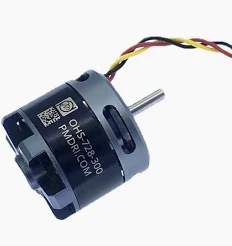
Choosing the right neodymium flexible magnet for motor applications requires consideration of five key dimensions:
1. Grade Selection – Based on Performance Requirements
2. Thickness – Affects Flux and Installation Space
3. Matrix Material – Environmental Adaptability
4. Dimensions and Shape – Match Motor Structure
5. Operating Temperature – Ensure Thermal Stability
| Motor Type | Recommended Grade | Recommended (BH)max | Recommended Thickness | Notes |
|---|---|---|---|---|
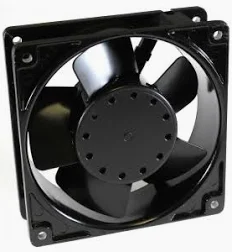
| Cooling fan motor | R3–R4 | 2.5–4.5 MGOe | 1.0–2.0 mm | Cost‑performance balance |
| Micro DC motor | R4–R5 | 3.5–5.5 MGOe | 1.0–2.5 mm | Small size, high energy product required |
| Automotive micro motor | R5–R6 | 4.5–6.5 MGOe | 1.5–3.0 mm | NBR matrix recommended for oil resistance |
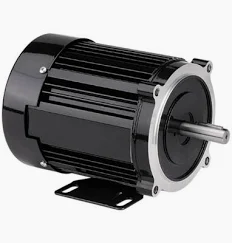
| Servo motor | R6–R7 | 5.5–7.5 MGOe | 1.5–3.0 mm | High precision, high response |
| New energy vehicle motor | R7–R8 | 6.5–8.5 MGOe | 2.0–4.0 mm | High torque density |
| Industrial stepper motor | R5–R6 | 4.5–6.5 MGOe | 1.5–2.5 mm | High positioning accuracy |
5.3 Ferrite Flexible Magnet vs. Neodymium Flexible Magnet: Motor Selection Comparison
| Comparison | Ferrite Flexible Magnet | Neodymium Flexible Magnet |
|---|---|---|
| Maximum energy product | 1.3–1.7 MGOe | 1.5–8.5 MGOe (production) |
| Relative magnetic strength | Baseline | Approx. 1.5–5× (depending on grade) |
| Torque per unit volume | Lower | Significantly higher |
| Cost | Low | Medium (3–10× ferrite) |
| Suitable applications | Low‑power, cost‑sensitive motors | High‑performance, compact, high‑torque motors |
💡 Selection advice: When the motor has high requirements for volume, weight, and torque density, or when stronger magnetism is needed in a smaller space, neodymium flexible magnets (R4 and above) should be the priority. For cost‑sensitive low‑end applications, ferrite flexible magnets remain a reasonable choice.
6. Motor Strip Installation Key Points
6.1 Ring Assembly
Neodymium flexible magnet strips are typically shipped as straight strips and assembled into rings by the customer during installation. The strip length must precisely equal the rotor outer circumference.
6.2 Bonding Methods
6.3 Magnetization Method
6.4 Handling Precautions
7. Frequently Asked Questions
Q1: What is the biggest difference between neodymium flexible magnets and ferrite flexible magnets in motor applications?
A: Magnetic strength. Neodymium flexible magnets have an energy product of up to 8.5 MGOe, far higher than ferrite flexible magnets (1.3–1.7 MGOe). For the same volume, neodymium flexible magnets provide higher torque and power density, making them suitable for high‑performance, compact motors.
Q2: What is the maximum operating temperature of neodymium flexible magnets?
A: Standard grade is -40°C ~ +80°C. High‑performance grades can reach +120°C. Exceeding the rated temperature causes irreversible demagnetization – high‑temperature environments require grades with higher temperature resistance.
Q3: Do neodymium flexible magnets rust?
A: Neodymium material itself is prone to oxidation, but our products use rubber as the matrix and encapsulation layer, effectively isolating air and moisture with good corrosion resistance. As long as the rubber layer is not damaged, they can be used long‑term.
Q4: What is the main difference between grades R2 and R8?
A: Higher grade means higher energy product and stronger magnetism. R2 is entry‑level (1.5–2.5 MGOe), suitable for low‑power, cost‑sensitive motors. R8 is the highest production grade (7.5–8.5 MGOe), suitable for high‑performance, high‑torque‑density motors. Motor applications generally recommend R4 and above.
Q5: Can I get samples for motor testing?
A: Yes. Free samples of standard multi‑pole strips are available (shipping charged). Custom sizes, grades, and magnetization patterns require a sample tooling fee.

Neodymium flexible magnet – a high‑energy bonded NdFeB strip with rubber flexibility, delivering 1.5–8.5 MGOe for high‑torque motors, EVs, and servos.
Read More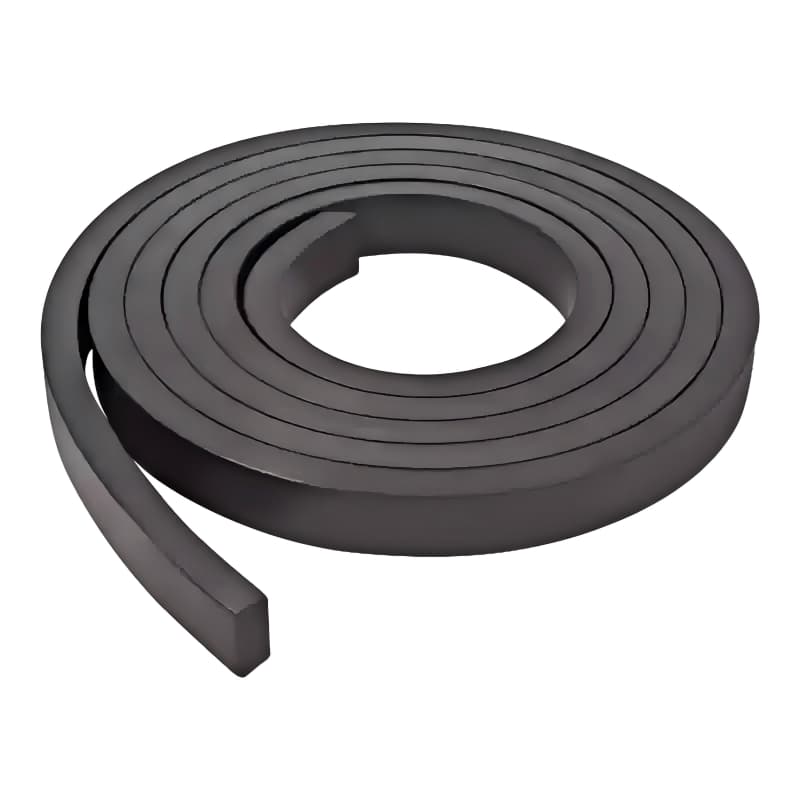
Flexible ferrite rubber magnet strip – low‑cost anisotropic material for motor rotors, widely used in micro motors, fans, and automotive drives.
Read More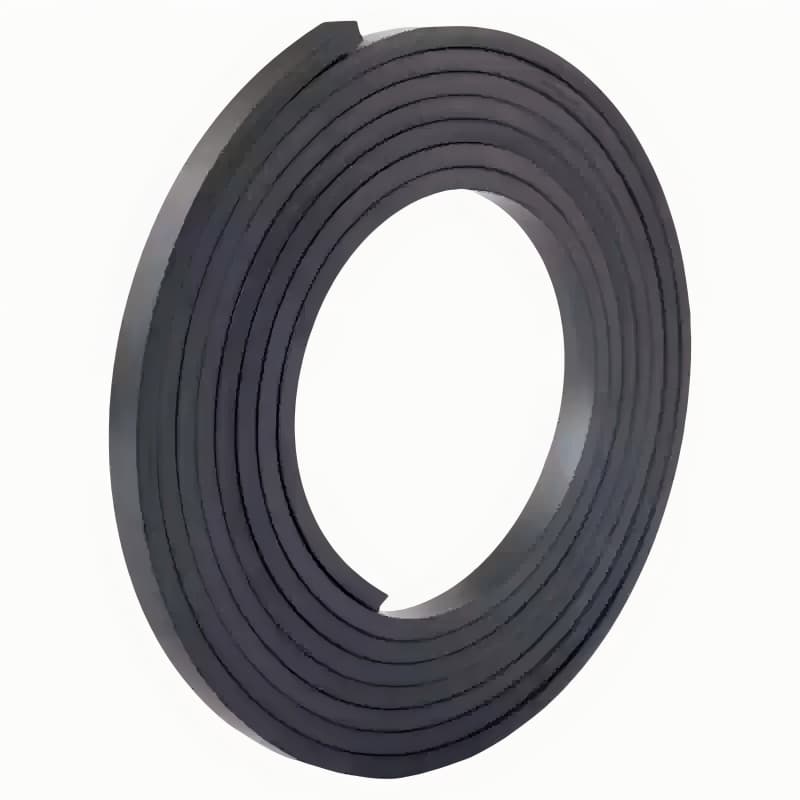
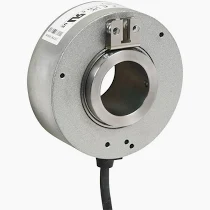
Neodymium flexible magnet combines high remanence, high coercivity, and flexibility, supporting 2–200+ pole multi‑pole magnetization in strips, rings, or custom shapes to fit various sensor designs. As a multi‑pole magnetic source, it delivers stable signals for encoders, speed sensors, and position sensors – particularly effective in compact spaces, making it a reliable choice for precision sensing.
Read More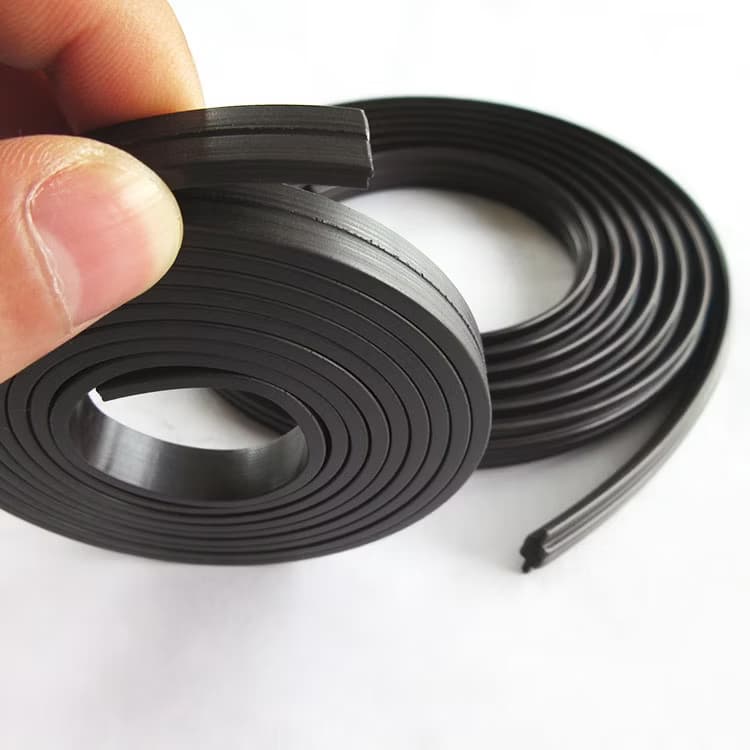
Eco‑friendly strontium ferrite rubber magnet – heavy metal free, RoHS compliant – delivers stable signals for encoders, speed sensors, and position sensors with excellent cost‑performance and environmental tolerance.
Read More


 IPv6 network supported